
For many decades, coffee has been the mainstay of our lives. Coffee is the fuel for long days, meetings, deadlines and mornings. A lot of people are now unsure if their daily cup of coffee is actually helping them focus or is just short-term stimulation. This change has created a greater interest in energy pouches as opposed to coffee, not as a battle of “good versus bad,” but rather as a more in-depth discussion about consistency, control, and cognitive performance.
Coffee: Fast Energy with Familiar Limits
Coffee does a lot of things well. It works quickly, feels comfortable, and gives an immediate sense of stimulation. Coffee is great in short-term tasks or for a morning start. The caffeine boost can bring energy and alertness, while the ritual itself can signal your brain it’s time to move.
After repeated use the negative consequences become obvious. Over time, tolerance builds quietly. It’s no longer necessary to drink the same coffee cup that used to be so potent. Along with this tolerance, can be jitters, anxiety and a lack of concentration, especially when under pressure. Timing is also crucial. Too much caffeine can disrupt sleep and cause fatigue.
This is when people begin exploring coffee alternatives for focus, not because coffee is “bad,” but because their needs have changed.
Energy Pouches are on the rise
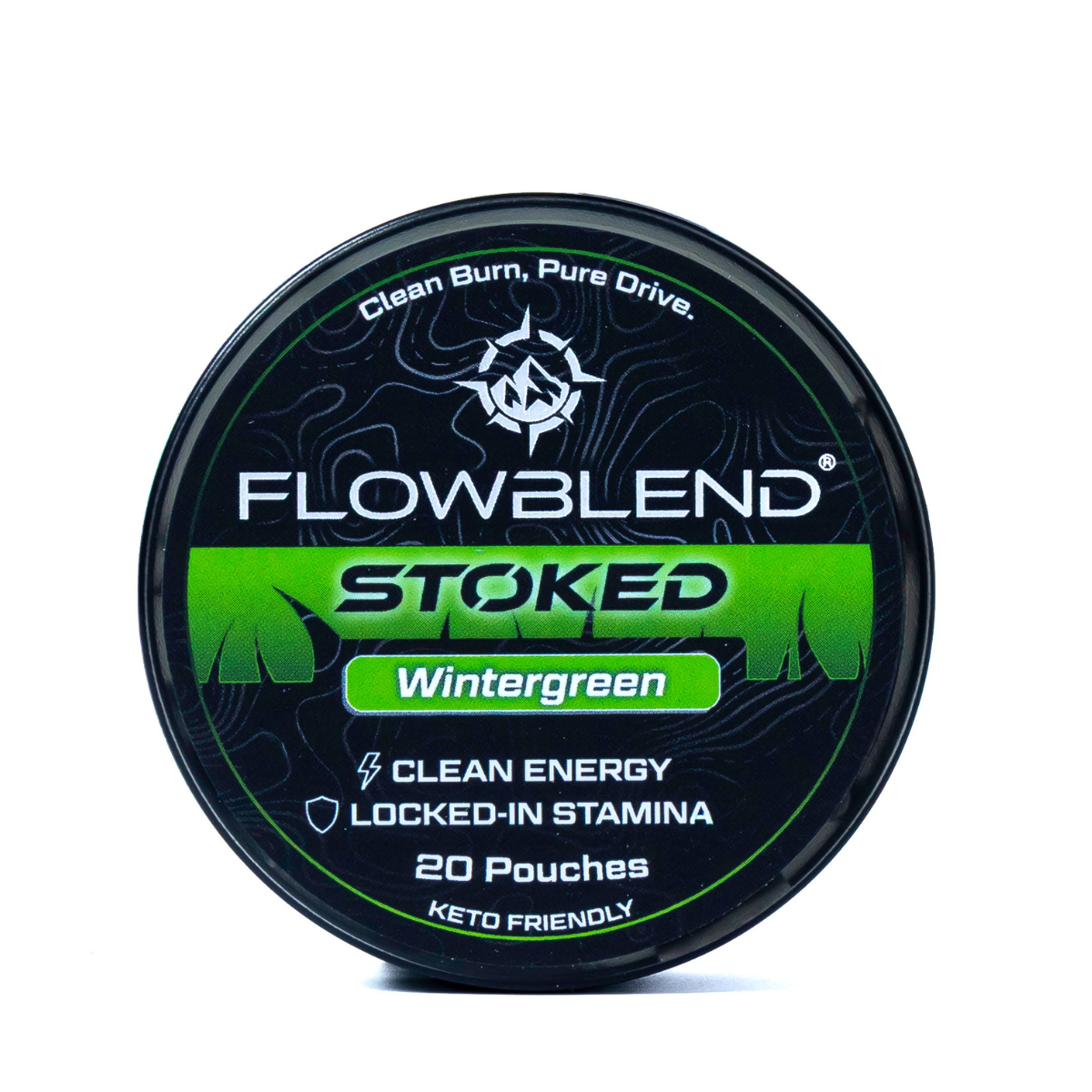
The energy pouches were not created to substitute coffee. They were created to solve a different problem: how to maintain alertness and clarity without overwhelming the nervous system. When you compare energy pouches, the key difference is in the way they are delivered.
Energy packs typically have less caffeine, which is released gradually. Instead of a sudden surge which is then followed by a crash they are designed to offer more smooth energy curves. This method is better suited to long work days, mental demanding tasks, as well as travel days.
Energy pouches are a great alternative for those who are sensitive to caffeine or who are just bored of the peaks and valleys. The aim isn’t to be buzzed, but to remain constant.
Focus and Stimulation
The belief that caffeine boosts productivity is among the most common misconceptions. In reality, stimulation and focus are not the same thing. Coffee is a stimulant. To concentrate, you require stability.
Energy pouches can be used to prolong time-to-focus, because they can reduce the distractions associated with high caffeine dosages. Less jitters means less interruptions in concentration. The need to “chase energy” throughout the day is reduced by having less crashes.
This is the reason why the conversation about energy pouches vs coffee has become more pertinent in our modern work culture. A more fluid energy delivery system is a benefit when tasks require more thinking and continuous problem-solving.
Make a conscious decision
It’s important to be clear: coffee still has a place. Coffee is a great method for quick activation social gatherings, or when you need an energy boost. Coffee won’t magically make your long day go away.
It’s only through making an intentional choice that you can reap the most benefit. People can now align their motivation to their specific needs, instead of depending on routines. Energy explosion or steady clarity? Short bursts of energy versus long-term focus. Comfort versus control.
When viewed this way, coffee vs energy pouches isn’t a competition it’s a decision framework. Understanding the way each option affects your body and mind allows you to make use of caffeine in a strategic manner instead of reacting.
How to Make Progress in a Smarter and More Effective Way
Conversations about caffeine are evolving as working hours get longer and the mental demands increase. They understand that being productive isn’t about pushing harder but rather the ability to maintain a balance. The real difference is in awareness. It doesn’t matter if you’re using coffee, energy packs or a mix of both the key is the balance.
If you’re looking to achieve the sameness, smoother focus and less crashing, modern coffee alternatives for focus offer an attractive option. In the end, energy works best when it helps you achieve your goals instead of limiting them.