
It’s typically a modest start. It’s just a few Raspberry Pi devices are deployed for testing, perhaps in a laboratory or a pilot project. Everything feels manageable at that point. You are able to manually monitor your devices, upgrade them as necessary and address any issues that may arise.
Then things increase.
More devices get added. Many locations get involved. In the end, keeping track everything becomes extremely time-consuming and uncertain. In this point, companies start looking for more structured methods of maintaining their systems. They often turn to solutions such as AWS devices management Raspberry Pi, which brings everything under one roof.
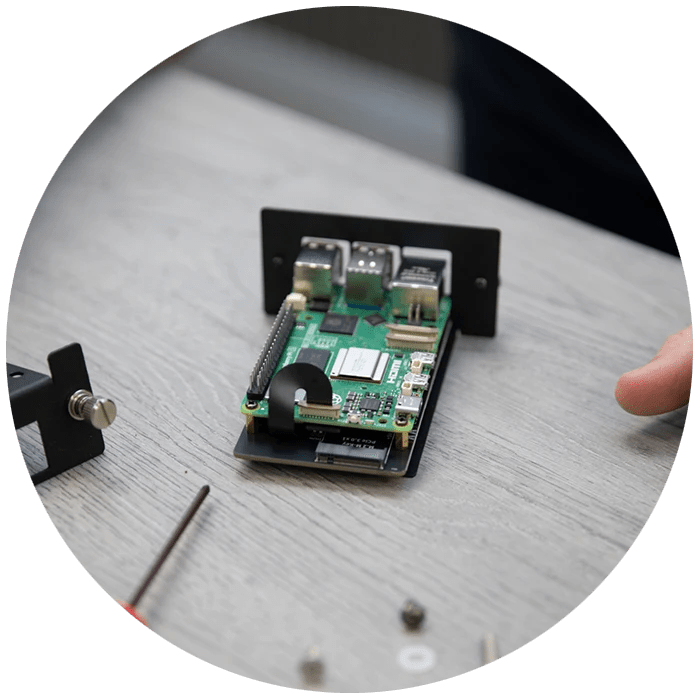
Growth is thrilling, but without the right strategy put in place, it could quickly get out of control.
Moving beyond manual Oversight
The administration of devices in isolation is a great idea for a small number of units, but it’s not effective for larger numbers of. The moment deployments expand the teams will require a more effective method of managing operations that doesn’t require always reacting to any issues.
A reliable device manager Raspberry Pi setup changes how teams interact with their infrastructure. A central system lets you to review all devices simultaneously instead of doing so individually. Devices can be monitored, updated and set up without physical access.
This reduces the pressure on teams, and creates an environment which is more stable and less things are left up to chance.
The Freedom of Remote Access
The ability to remotely connect to Raspberry pi is one of the most significant changes in the management of devices today. This removes the requirement for physical presence, which could save lots of time when you have many devices spread across different locations.
Remote access enables teams to solve issues quickly, install updates and make changes to configurations without delay. The old requirement of the use of a vehicle or on-site assistance can now be handled from a single dashboard.
This level of control offers the feeling of flexibility which is vital for growing systems.
The Watching of Everything As It Happens
Knowing that devices are running isn’t enough. It’s only when you know how the devices are performing in real-time, that a system is truly trustworthy.
With the ability to monitor and manage Raspberry Pi and IOT device management, teams can track performance, identify abnormal behavior and react before small issues turn into major disruptions. This visibility can be used to take a proactive rather than a reactive approach.
If systems are monitored constantly and monitored continuously, they become more predictable and easier to manage.
Tools to Make Life Simpler
As the number of devices expands, complexity tends to increase. Without the appropriate tools to manage updates, configurations and performance may become overwhelming.
These tasks can be simplified through modern Raspberry Pi device management software. They automatize routine procedures offer clear information, and ensure that devices stay in line with the operational objectives.
Instead of focusing on monotonous tasks, teams should concentrate on building their systems and expanding their capabilities.
Building Systems That Grow With You
Scalability is one of the most important aspects in the management of devices. A system that works for ten devices must function for hundreds or thousands.
AWS device management Raspberry Pi allows businesses to create systems that are able to expand without sacrificing their structure. Each device is integrated into the larger network which makes it simpler. This allows for the growth to be managed and not a chaotic process.
Stability is maintained as systems grow
Growth can introduce new dangers. The more devices means that there are more sources of failure, making stability a top priority.
The ability to monitor and manage Raspberry Pis as well as IOT devices makes sure that the systems remain stable, regardless of how they grow. The early detection of problems along with consistent updates and maintaining performance across the entire network is all feasible. Businesses can count on their systems because of this stability.
How can you manage devices in more efficient ways
The management of devices doesn’t need to take over your life. Even huge deployments can be managed with the right organization.
Companies can improve their operations using tools like AWS device management Raspberry Pi. What once felt complex becomes simple, and what required constant attention, is now simplified.
ScalerPi concentrates on making this transition smooth, helping businesses move from scattered systems to organized efficient, scalable systems.
A reliable and clear management system is vital to long-term success in business.